

Squirrel Attic Removal Service That Stops Returns
- AllstarWildlifeLLC
- Aug 12
- 5 min read
Scratching over the ceiling at sunrise, scattered insulation, and a new hole along the roofline usually point to more than one squirrel passing through. A professional squirrel attic removal service addresses the immediate noise and damage, then closes the routes that made your attic an easy shelter in the first place. For homeowners and property managers in Lexington, Columbia, Charleston, and surrounding South Carolina communities, that full solution matters.
Squirrels can be persistent, fast, and surprisingly destructive once they get indoors. Waiting for the sounds to stop can allow a small problem to become chewed wiring, contaminated insulation, damaged ductwork, and a larger repair bill. Prompt, humane removal protects the animals while restoring safety and peace of mind to your property.
Why squirrels choose attics
Attics offer squirrels what outdoor nests cannot always provide: warmth, cover from predators, and a dry place to raise young. In South Carolina, activity often increases when seasonal weather changes or when a mother squirrel is looking for a protected nesting area. A loose soffit, open roof vent, separated fascia board, or gap near a utility line may be all the access they need.
Once inside, squirrels do not simply stay near the opening. They may travel across rafters, compress or tear insulation, gnaw wood, and chew materials around electrical wiring. Their urine and droppings can create odors and contamination concerns, particularly when the attic connects to living spaces through gaps around fixtures or ventilation.
The sounds can be misleading. Light running and scratching in the morning often suggest squirrels, while heavier nighttime movement may indicate another animal. Proper inspection is the first step because the right removal plan depends on the animal, the entry points, and whether a nest with young is present.
What a squirrel attic removal service should include
Trapping alone is rarely a lasting answer. If a squirrel is removed but the access hole remains open, another squirrel can move in quickly. A dependable squirrel attic removal service should be built around inspection, humane removal, exclusion, repairs, and cleanup when needed.
A detailed attic and exterior inspection
The process starts with locating active entry points and identifying the damage already present. A technician checks roof intersections, vents, soffits, eaves, fascia, siding transitions, chimney areas, and other vulnerable sections of the structure. Inside, the inspection looks for nesting material, travel paths, droppings, chewed materials, and insulation damage.
This step also helps determine whether squirrels are actively using the attic or whether an old opening has simply been left behind. Property owners should receive a clear explanation of what was found and what work is recommended before removal and repairs begin.
Humane removal matched to the situation
Humane wildlife control is not a one-size-fits-all job. The method should account for the squirrel's behavior, local regulations, the layout of the home, and the possibility of dependent young. When babies are present, the removal approach must protect the family and avoid separating a mother from her offspring.
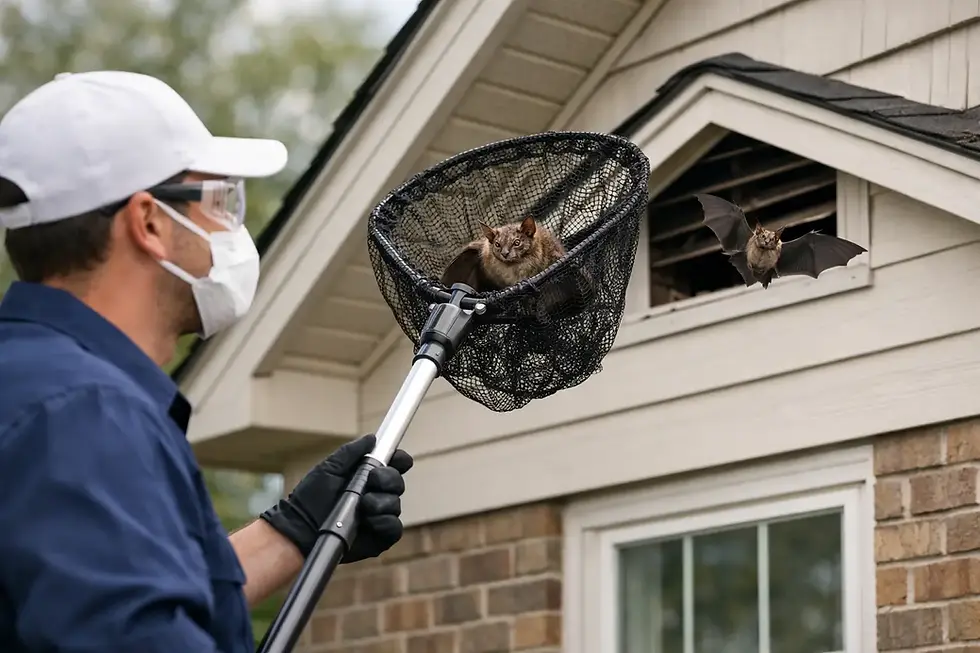
Professional technicians use appropriate capture and one-way exclusion methods to move squirrels out safely. The goal is to resolve the active problem without creating a new one inside the attic, walls, or roof system. A rushed do-it-yourself attempt can cause squirrels to become trapped in inaccessible areas or push them deeper into the structure.
Exclusion and wildlife damage repair
After the squirrels are out, the real prevention work begins. Entry points must be sealed with durable materials installed for the location and type of damage. Thin screening, foam, or a temporary patch may not hold up against a determined squirrel, weather exposure, or normal roof movement.
Repairs can include securing vents, restoring damaged soffits or fascia, closing construction gaps, and reinforcing vulnerable areas around the roofline. The best repair is not merely one that covers a hole. It should fit the property, maintain necessary ventilation, and reduce the chance of animals finding another weak point nearby.
Attic cleanup and insulation restoration
Not every squirrel problem requires insulation replacement, but cleanup should never be overlooked. It depends on how long the animals were present, how widespread the contamination is, and whether nesting or urine damage has affected the insulation. In some cases, targeted cleanup is enough. In more serious infestations, contaminated insulation may need to be removed and replaced.
A proper remediation plan can include removal of nesting debris and droppings, treatment of affected surfaces, odor control, and insulation restoration. This work improves the condition of the attic while helping protect indoor air quality and the value of the property.
Signs you should call for help now
A squirrel in an attic rarely fixes itself. Call for professional help if you hear repeated scratching, scampering, or chewing above the ceiling, especially around dawn and late afternoon. Other signs include visible damage at roof edges, insulation on the ground near an exterior opening, droppings in the attic, sudden odors, or squirrels repeatedly entering the same area of the roof.
Electrical concerns deserve special urgency. If you see chewed wires, notice flickering lights, smell burning, or suspect damage near electrical equipment, keep people away from the area and contact an electrician as well as a wildlife professional. Do not enter a tight attic space without proper footing, lighting, and protective equipment.
Landlords and commercial property owners should act quickly when an attic problem affects tenant spaces, shared roof systems, or multiple units. A documented inspection and complete repair plan can help prevent recurring maintenance calls and protect the building from escalating damage.
Why do-it-yourself removal often falls short
Home remedies may make an attic unpleasant for a short time, but they do not reliably remove squirrels or repair the route they used to get in. Noise devices, strong odors, and improvised barriers can drive an animal temporarily, yet the same squirrel may return once conditions settle. Worse, blocking an opening before confirming all animals are out can trap squirrels inside.
Store-bought traps also require careful placement, frequent monitoring, safe handling, and knowledge of applicable rules. The risk is not just an unsuccessful capture. It is missed entry points, accidental contact with animals, or leaving babies behind during nesting season.
Professional service costs more than a quick patch, but it can save money when it prevents repeat infestations, electrical damage, and unnecessary attic repairs. The right scope of work depends on the condition of the building. A single fresh entry hole may need limited exclusion, while a long-running infestation may require repairs and cleanup across several areas.
Protect your South Carolina property for the long term
Squirrels are strong climbers, so prevention starts above ground level. Trim tree branches away from the roof where practical, keep rooflines and vents in good repair, and address loose siding, warped trim, or deteriorating wood before it becomes an access point. Regular checks after storms are especially valuable because wind and falling limbs can expose weak areas around the attic.
Allstar Wildlife provides humane squirrel removal, targeted exclusion, wildlife damage repairs, and attic cleanup for property owners who need a complete answer, not another temporary fix. Every property has different construction details and different levels of damage, which is why an on-site inspection is the most reliable way to build the right plan.
If squirrels are active above your ceiling, do not wait for a small opening to become a major repair. A fast professional inspection can identify what is happening, remove the immediate problem humanely, and help keep your attic clean, secure, and squirrel-free.


Comments