

Bat Removal Columbia SC That Keeps Bats Out
- AllstarWildlifeLLC

- 24 hours ago
- 5 min read
A bat fluttering through a bedroom or scratching above the ceiling can turn a quiet Columbia evening into an urgent problem. Professional bat removal Columbia SC service protects your household, gets bats out humanely, and addresses the gaps that allowed them into the structure in the first place.
Bats play a valuable role outdoors by feeding on insects. Inside an attic, wall void, chimney, or commercial roofline, however, they can create contamination, odor, and repeat-entry concerns. The right response is not simply catching the bat you can see. It is finding the colony access points, removing the animals safely, and securing the building so the problem does not return.
When Bats Become a Property Problem
Many bat issues begin quietly. A homeowner may hear light chirping near dusk, notice small dark droppings below a roof edge, or see bats leaving from the same point at sunset. In Columbia's warm climate, bats can use surprisingly small openings around roof returns, soffits, vents, chimneys, siding transitions, and utility penetrations.
A single bat that enters a living area may have come through an open door, fireplace, or damaged screen. That situation needs prompt, careful handling, especially if a person or pet may have had contact with the animal. Never touch a bat with bare hands, and do not release one if there is any possibility of direct contact. Your local health authority or medical provider can advise on next steps.
An attic colony is a different situation. Bats may leave visible guano on insulation and framing, and urine can create persistent odors. Over time, contamination can affect insulation performance and make a space harder to use or renovate. The longer bats have access, the more important thorough cleanup and repairs become.
Why Bat Removal in Columbia SC Requires Exclusion
Trapping or removing bats from inside a building without closing their entry routes is only a temporary fix. Bats are persistent animals with strong site loyalty. If the same crack along a fascia board or opening beneath a roof vent remains available, they may return to the same structure or find another route into it.
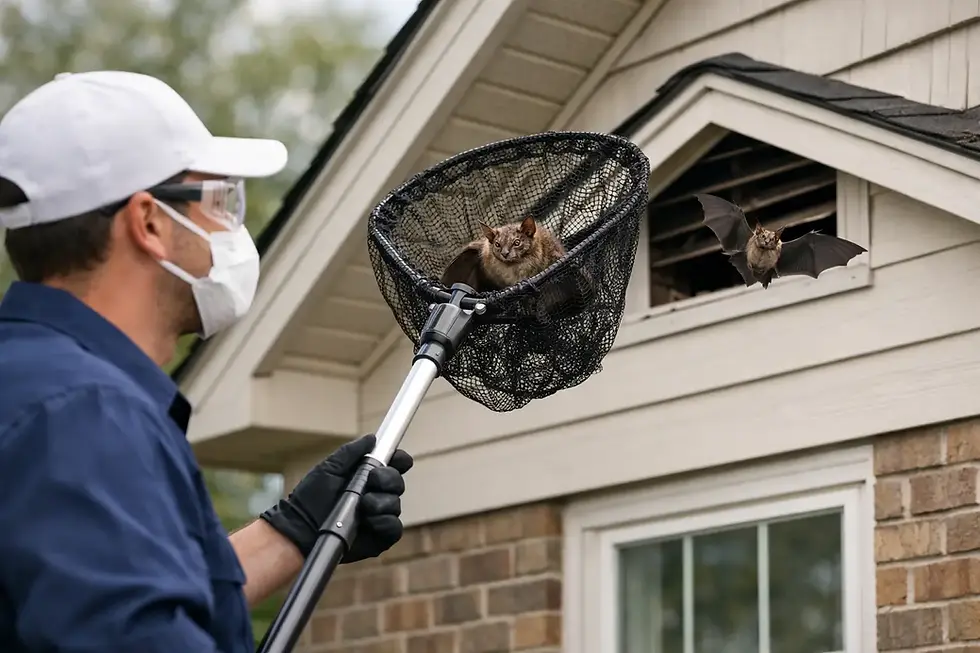
Humane exclusion is the professional standard for most building infestations. Instead of sealing bats inside or trying to capture every animal by hand, technicians identify active entry points and install devices that allow bats to leave but prevent them from getting back in. Once activity has stopped and the structure is clear, those routes can be permanently sealed.
Timing matters. Some bat species form maternity colonies, and young bats may not be able to fly for part of the year. Excluding adult bats at the wrong time could separate flightless pups from their mothers. A knowledgeable local wildlife professional evaluates the season, the species involved, and the conditions at the property before deciding how to proceed.
That is one reason a quick patch job can create a bigger problem. Sealing one visible hole with bats still inside can push them into walls, living spaces, or other inaccessible areas. Proper bat work follows the animals' behavior and protects both the occupants and the building.
What a Professional Bat Inspection Should Find
A useful inspection looks beyond the spot where bats were first noticed. Bats often use multiple access points, and water-stained wood, loose flashing, aging vents, or construction gaps can create opportunities across an entire roofline.
At Allstar Wildlife, the goal is to understand the full property condition, not just remove the immediate nuisance. An inspection may identify active entry and exit points, secondary gaps that could become future entry routes, guano accumulation, damaged screens or vent covers, and areas where wildlife-related repairs are needed.
For a home, this often means checking the attic, eaves, gable vents, chimney area, roof intersections, and siding. For apartment buildings, churches, warehouses, and other commercial properties, technicians may also assess higher roof sections, loading areas, exterior wall joints, and mechanical penetrations. Larger properties can have more access points, but the principle remains the same: remove safely, seal thoroughly, and confirm the building is protected.
The Bat Removal Process From Start to Finish
Every property is different, but effective bat removal usually follows a clear sequence. First comes an assessment of bat activity, access points, contamination, and the condition of the structure. This helps determine whether the issue is one wandering bat or a colony using the building.
Next, the team develops a humane removal plan that accounts for the season and location of the bats. Exclusion devices are placed at active routes, while non-active gaps are sealed as appropriate. The objective is to give bats a safe way out while taking away their path back indoors.
After the exclusion period, the building is reinspected. Permanent repairs may include sealing cracks, securing vent areas, repairing damaged trim, screening approved openings, or correcting vulnerable roofline details. Quality exclusion work should blend into the property where possible while still providing reliable protection.
Cleanup is often the final piece homeowners do not anticipate. Guano, soiled insulation, nesting debris, and odor-causing material should be handled with the right protective measures. Depending on the extent of the infestation, a property may need attic cleanup, contaminated insulation removal, sanitizing, deodorizing, or repairs to damaged materials. This restores a cleaner space and helps prevent the evidence of an old infestation from becoming a lasting problem.
What You Should Do While You Wait for Service
If a bat is flying in a room, keep people and pets away from it. Close interior doors to limit where it can travel, and avoid chasing it with a broom, towel, or bare hands. If safe to do so, opening an exterior door or window may give it a way out, but do not take risks to force the situation.
For bats in an attic or wall, resist the urge to spray repellents, use ultrasonic devices, or seal holes immediately. These methods often fail to solve the colony problem and can make professional removal more difficult. Sprays and mothballs can also introduce unnecessary odors or chemicals into your home.
It also helps to note what you have observed. The time bats appear, the location where they exit, noises in the attic, and areas with droppings can help during an inspection. You do not need to get close or climb onto the roof to gather useful information.
Costs and Factors That Affect Bat Removal
Bat removal costs depend on the size and condition of the structure, the number of entry points, the height and accessibility of the work area, the season, and whether cleanup or repairs are needed. A small issue at an accessible soffit is different from a long-standing colony in a large attic with contaminated insulation.
The lowest-price option is not always the best value when it covers only a one-time visit. A service that removes visible bats but leaves openings behind can lead to another infestation and another bill. A complete approach should address humane removal, exclusion, building repairs where needed, and a clear plan for restoring affected areas.
Property managers and real-estate professionals should also consider timing. Bat activity discovered during an inspection, tenant turnover, or a pending sale may require coordinated access and documentation of repairs. Acting early gives you more options than waiting until odors, droppings, or tenant complaints become severe.
Keep Your Columbia Property Secure After Bats Leave
Once bats are out, routine exterior maintenance helps protect the investment. Keep roof and soffit repairs current, replace damaged vent screens with suitable materials, address loose siding or trim, and inspect areas around chimneys and utility lines after storms. Columbia's heat, humidity, and heavy rain can accelerate wear around vulnerable exterior joints.
A wildlife-free property is not just quieter. It is cleaner, safer, and easier to maintain. If you hear activity overhead, find guano in the attic, or see bats using your roofline at dusk, schedule a professional inspection before a small opening becomes a larger property problem.


Comments