

Emergency Animal Removal Columbia SC Help
- AllstarWildlifeLLC
- Aug 9
- 5 min read
A scratching sound above the ceiling at 2 a.m. A snake in the garage before work. A raccoon that has made its way into a crawlspace. Wildlife problems rarely wait for a convenient time, which is why emergency animal removal Columbia SC homeowners and property managers can rely on needs to address more than the animal in plain sight.
The immediate goal is to protect people, pets, and property. The lasting goal is to find out how the animal got in, remove the conditions that invited it, repair the damage, and keep the problem from happening again. Fast action matters, but so does handling the situation correctly.
When Wildlife Removal Becomes an Emergency
Not every animal sighting requires an emergency visit. A squirrel running across the backyard or an opossum passing through after dark is usually doing what wildlife does. The situation changes when an animal is inside a structure, trapped in a living area, showing aggressive or unusual behavior, or creating an immediate safety or contamination concern.
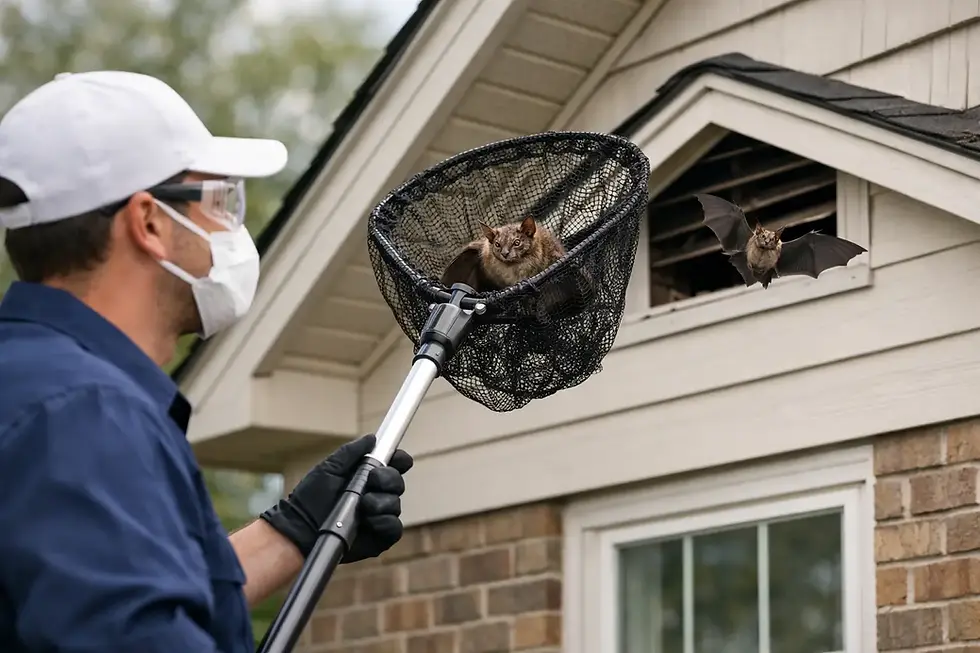
A bat in a bedroom, for example, should be treated seriously, particularly if someone may have had contact with it while sleeping. Do not release or handle the bat yourself. Keep people and pets away from the area and contact the appropriate health authority if exposure is possible. A wildlife professional can help with safe containment and removal.
Snakes inside a home, garage, office, or occupied outbuilding also call for a careful response. South Carolina has many nonvenomous snakes that help control rodents, but identifying a snake from across a room is not always easy. Give it space, keep children and pets away, and avoid trying to corner it with a broom, shovel, or container.
Raccoons, skunks, rats, and squirrels can create urgent concerns when they enter attics, crawlspaces, ductwork, kitchens, or wall voids. These animals can contaminate insulation, chew electrical wiring, damage roofing materials, and leave behind droppings and strong odors. A dead animal in a wall or crawlspace can become an emergency quickly when odor and insects affect the living or working environment.
What to Do Before Emergency Animal Removal Arrives
The safest first step is simple: create distance. Close interior doors if you can do so without approaching the animal. Move pets to another room, keep children away, and do not attempt to touch, feed, trap, or relocate wildlife on your own.
If the animal is loose inside, do not chase it. Chasing a frightened animal can push it deeper into a wall, attic, or crawlspace, turning a straightforward removal into a more difficult repair issue. It can also increase the risk of a bite, scratch, or defensive reaction.
For animals in an attic or crawlspace, avoid sealing holes immediately. This is one of the most common mistakes homeowners make. Closing an entry point before confirming that every animal is out can trap wildlife inside, leading to death, odor, damage, or desperate attempts to chew through another part of the home. The correct order is removal first, then exclusion.
You can help the removal process by making a few observations from a safe distance. Note where you last saw the animal, whether you hear movement in a particular wall or ceiling area, and whether there are visible droppings, damaged vents, displaced soffits, or openings around the roofline. Those details can help a technician locate the source faster.
If there is an immediate medical emergency from a bite, scratch, or suspected exposure, seek medical care right away. Wildlife removal and medical guidance serve different purposes, and both may be needed.
Emergency Animal Removal in Columbia SC Means Finding the Entry Point
Removing one raccoon or trapping one rat may provide short-term relief, but it does not solve the property issue that allowed the animal inside. Columbia-area homes and businesses can have vulnerable roof returns, attic vents, crawlspace doors, chimney gaps, damaged soffits, loose siding, and utility openings. A small gap may be enough for rodents, while a larger opening can give squirrels, raccoons, or opossums access to shelter.
A professional inspection looks beyond the immediate animal. It identifies active entry points, potential access points, nesting areas, and damage that may be hidden above ceilings or below floors. This is especially valuable for rental properties and commercial buildings, where a recurring wildlife issue can lead to tenant complaints, sanitation concerns, and costly interruptions.
The right removal method depends on the species, the location, and whether young animals may be present. A raccoon in an attic during a denning period requires a different approach than a snake in a garage or birds nesting in a vent. Humane wildlife control is not a one-size-fits-all trapping visit. It requires careful timing and a plan that protects the property without creating a worse problem inside it.
The Damage You May Not See Right Away
Wildlife activity is often more extensive than the noise that first gets your attention. Rodents can gnaw wiring, framing, ductwork, and stored belongings. Squirrels may tear insulation apart to build nests. Raccoons can damage roof decking, vents, and attic insulation while leaving behind waste that should not be handled without proper protection.
In crawlspaces, moisture, animal waste, nesting material, and damaged insulation can affect air quality and create lingering odors. In attics, contamination can spread farther than expected when animals travel across joists and insulation. Simply removing visible droppings is not the same as cleaning and sanitizing an affected space.
That is why a complete emergency response may include animal removal, entry-point sealing, wildlife damage repair, insulation removal, deodorizing, and cleanup. The scope depends on what the inspection finds. A single snake removal may need only a quick exterior assessment, while a long-term rat or raccoon infestation may require substantial remediation.
Why DIY Wildlife Removal Can Make Things Worse
Hardware-store traps, poison, foam sealants, and improvised barriers can seem like quick fixes. Sometimes they create more costly damage. Poison can leave dead animals in inaccessible walls or ceilings. Incorrect traps may injure an animal, catch a non-target animal, or fail to address the entry point. Foam alone is easily chewed through by rodents and squirrels.
There are also legal and safety considerations around handling wildlife. Certain species and nesting situations have specific rules, and animals can carry parasites or diseases that are not obvious from a distance. Property owners should not have to guess whether a situation is safe to handle.
Professional service gives you a clear plan: remove the animal safely, inspect the structure, identify the source of access, and recommend practical prevention. For a homeowner dealing with a midnight attic disturbance or a property manager facing repeated rodent reports, that clarity can make a stressful situation manageable.
Prevention Starts Once the Animal Is Gone
Wildlife exclusion is where lasting protection begins. This may involve repairing damaged soffits, securing vents with appropriate materials, reinforcing weak crawlspace access points, closing roofline gaps, or repairing areas animals have chewed or torn open. The goal is to protect the building while allowing normal ventilation and drainage to function as intended.
Exterior conditions matter too. Overhanging limbs can give squirrels and raccoons easier roof access. Open trash, pet food left outdoors, fallen fruit, and standing water can attract animals close to a structure. These conditions do not always cause an infestation by themselves, but they can make a vulnerable property more appealing.
Allstar Wildlife approaches emergency calls with the full property in mind. Removing the immediate nuisance is the first priority, but a safe, clean, secure property requires attention to the access points and damage left behind.
If wildlife is inside your home, business, attic, crawlspace, or garage, do not wait for the problem to grow. Keep your distance, protect the people and pets around you, and arrange professional help so your property can be safe again.


Comments